Seasons Reversed, Climate Reimagined: How to Prepare for New Zealand's Weather as an Australian Migrant
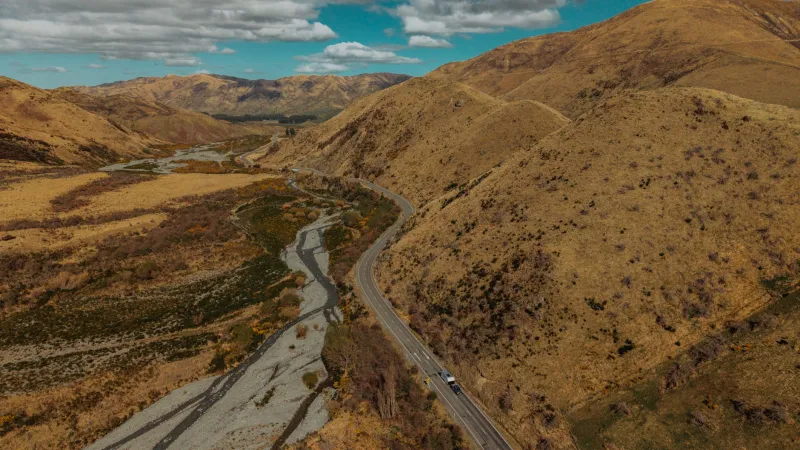
Australians relocating to New Zealand tend to arrive with one of two assumptions about the weather. The first is that it will be broadly similar to home — after all, both countries sit in the Southern Hemisphere and share a general latitude range. The second is that New Zealand will simply be colder, wetter, and greener, which is accurate as far as it goes but misses the considerable nuance that makes New Zealand's climate genuinely distinct.
The reality is that New Zealand's weather is shaped by factors that have no real parallel in most of Australia: a narrow, mountainous landmass flanked by two large bodies of water, prevailing westerly winds that deliver moisture-laden air from the Tasman Sea, and a dramatic topography that creates wildly different conditions within short distances. Understanding these dynamics before you arrive will save you from both physical discomfort and the mild existential surprise that catches many new arrivals off guard.
The Seasonal Calendar: Same Rhythm, Different Feel
New Zealand shares Australia's Southern Hemisphere seasonal pattern, which means summer runs from December to February and winter from June to August. For Australians, this aspect of the calendar is reassuringly familiar — Christmas is still in summer, the school year still begins in late January or early February, and the winter solstice still falls in June.
What differs substantially is the character of each season. New Zealand's summer is generally milder and less extreme than Australia's. Temperatures in Auckland during January average around 23–25°C, Wellington somewhat cooler at 20–22°C, and Christchurch warmer and drier at 24–26°C. These are pleasant conditions by any measure, but they represent a significant departure from the 35–45°C summer heat that is routine across large parts of southern and western Australia.
For migrants arriving from cities such as Adelaide, Perth, or inland NSW and Victoria, the moderation of summer temperatures is typically experienced as a relief. For those from Melbourne or coastal Queensland, the difference is less dramatic but still noticeable — particularly the relative absence of sustained heatwaves.
Winter, however, tends to produce the greater shock. New Zealand winters are not extreme by global standards, but they are damp, frequently overcast, and penetrating in a way that Australian winters — which tend to be dry and bright even when cold — are not. A 10°C day in Wellington with horizontal rain and a southerly wind can feel considerably more punishing than a 5°C winter morning in Melbourne under clear skies.
Regional Variation: New Zealand Is Not One Climate
One of the most important things to understand about New Zealand weather is that the country encompasses genuinely distinct climate zones within a relatively small geographic area. Where you settle will shape your experience of the seasons more than any generalisation about 'New Zealand weather' can capture.
Northland and Auckland experience a subtropical climate — warm, humid summers, mild winters, and year-round rainfall distributed fairly evenly across the months. Frost is rare, snowfall at sea level is virtually unknown, and the dominant challenge for residents is humidity and the occasional tropical downpour.
Wellington is notorious among New Zealanders for its wind. Situated at the southern tip of the North Island, the capital is exposed to Cook Strait and the prevailing westerlies in a way that few other cities in the world match. Annual wind speeds in Wellington are among the highest of any capital city globally. Winters are cool, wet, and frequently blustery; summers are pleasant but can be interrupted by sudden cold fronts at any time.
The Nelson-Marlborough region at the top of the South Island is the country's sunniest area, with a climate that produces excellent conditions for viticulture and outdoor living. Summers are warm and dry; winters are cold but often clear and crisp rather than grey and wet.
Christchurch and the Canterbury Plains experience a continental-influenced climate moderated by the Southern Alps. Summers are warm and relatively dry; winters can be genuinely cold, with regular frosts and occasional snowfall. The nor'west wind — a föhn-type wind that descends from the Alps — can bring dramatic temperature rises of 10–15°C within hours, followed by an equally abrupt return to cold conditions.
Queenstown and Otago in the deep south experience a climate that most Australians would classify as genuinely cold. Winter temperatures regularly drop below zero, snowfall is common, and heating your home is not optional — it is a basic necessity. Summers are short but spectacular.
The West Coast of the South Island is among the wettest inhabited areas in the developed world, receiving several metres of rainfall annually. It is extraordinarily beautiful and remarkably lush, but migrants settling there should understand that 'overcast with a chance of rain' is the predominant forecast for much of the year.
Preparing Your Wardrobe
The single most common wardrobe mistake made by Australian migrants is underestimating the need for layering. New Zealand weather — particularly in Wellington, Christchurch, and the South Island — is highly variable within a single day. A morning that begins sunny and mild can turn cold and wet by lunchtime, and reverse again by late afternoon.
Practical wardrobe priorities for most New Zealand locations include:
- A quality waterproof outer layer: Not a light spray jacket, but a genuinely waterproof coat with sealed seams. This is not a luxury item in New Zealand — it is everyday equipment.
- Thermal base layers: Merino wool is the material of choice for many New Zealanders, and for good reason. It regulates temperature effectively, resists odour, and performs well in damp conditions. New Zealand produces excellent merino garments at a range of price points.
- Sturdy, waterproof footwear: Leather boots or quality waterproof sneakers are far more practical for daily wear in most New Zealand cities than the sandals and canvas shoes that serve Australians well at home.
- Layers for summer evenings: Even in the warmest parts of New Zealand, summer evenings can turn cool quickly, particularly near the coast. Carrying a light jumper or jacket to outdoor events is standard practice.
Heating Your Home
New Zealand's housing stock presents a significant heating challenge. A large proportion of homes — particularly those built before the 1990s — were constructed with minimal insulation and no central heating, reflecting a historical attitude toward cold weather that prioritised cost over comfort. The result is that many New Zealand homes are cold, damp, and difficult to heat in winter.
The most effective and widely used heating solutions in New Zealand are:
- Heat pumps (reverse-cycle air conditioners): The dominant choice for most New Zealand households, offering efficient heating and cooling. If your rental or purchased home does not have one, installing one should be an early priority.
- Wood burners: Common in regional and rural areas, and effective for heating large open-plan living spaces. New Zealand has specific emissions standards for wood burners, and not all models are permitted in all areas.
- Underfloor heating: Increasingly common in newer builds and renovations, particularly in the South Island.
Electric panel heaters and oil column heaters are widely available but expensive to run and inefficient for whole-home heating. They are best used as supplementary heating for individual rooms.
The New Zealand government's Warmer Kiwi Homes programme provides funding assistance for insulation and approved heating systems for eligible homeowners and some tenants — worth investigating as a priority in your first year of residence.
Gardening in a New Climate
For Australians who garden, relocating to New Zealand requires a genuine recalibration. The gardening calendar shifts, the plant palette changes, and the relationship with water is fundamentally different — most New Zealand gardens require no supplementary irrigation for much of the year, which is a pleasant novelty for anyone accustomed to summer watering restrictions.
The key adjustment is to the frost calendar. In frost-prone areas — which includes much of the South Island and higher-altitude parts of the North Island — planting schedules must account for the last frost date in spring (typically August to October depending on location) and the first frost in autumn (April to June). Many plants that grow year-round in Australian gardens must be treated as seasonal crops or protected over winter in New Zealand.
On the positive side, New Zealand's reliable rainfall and moderate temperatures create excellent conditions for cool-season vegetables, stonefruit, berries, and a wide range of ornamental plants that struggle in Australian summers. Many Australian migrants find that gardening in New Zealand becomes more rewarding, not less, once they have adjusted to the rhythm of a genuinely seasonal climate.
Adjusting Your Expectations
The most important preparation for New Zealand's climate is mental rather than material. Australians who arrive expecting a slightly greener version of home tend to be the ones most surprised by their first New Zealand winter. Those who approach the move with genuine curiosity about a different relationship with weather — one that involves more layers, more rain, and more dramatic seasonal contrast — tend to settle into it far more smoothly.
New Zealand's climate is not a hardship. It is, for many migrants, one of the country's most distinctive and ultimately beloved characteristics. The lush landscapes, the clear air after rain, the genuine pleasure of a warm summer day earned through months of winter — these are experiences that Australians who have made the move describe with real affection. Preparation simply ensures you arrive ready to enjoy them.